North Charleston has about 44,500 housing units, and a sewage backup is one of the most unpleasant water problems any of them can face. The first call is not always to a plumber, because the sewer provider depends on the address, and the district has its own advice.
Key takeaways
- North Charleston Sewer District is the sanitary sewer provider for much of the city, with a 24 hour emergency contact for sewer backups.
- The district asks residents to contact it before calling a plumber, and its crews do not make repairs on private property.
- Blockages traced to a home or business from improper fats, oils and grease disposal are the property owner's responsibility, according to the district.
- Charleston Water System also serves sewer customers in the city, so the provider depends on the address.
- A sewage backup is contaminated water, so porous materials it touches are removed and hard surfaces are cleaned and treated.
Who provides sewer service in North Charleston
North Charleston Sewer District is the sanitary sewer provider for much of the city. Charleston Water System also serves sewer customers and has its own sewer emergency page, so the provider depends on the address.
The pack of local facts does not say which neighborhoods are served by which agency, and it does not say who owns the pipe from a house to the main. For that reason, the first step is to find out which agency serves the property.
- Check a water or sewer bill for the name of the provider.
- Ask a neighbor or a landlord who serves the street.
- Contact the sewer district if the provider is unclear.
What the sewer district asks residents to do
The sewer district asks residents to contact it before calling a plumber for a sewer issue. That order helps the district tell whether the blockage is in the public main or inside the private pipe.
Its crews do not make repairs on private property. If the problem turns out to be inside the property, the owner will need a plumber for that part.
The 24 hour emergency contact
The district has a 24 hour emergency contact for sewer backups. A backup does not wait for business hours, and the district expects calls at any time.
Fats, oils and grease
The district says blockages traced to a home or business from improper fats, oils and grease disposal are the property owner's responsibility. Pouring cooking grease down a drain is a common cause.
- Wipe pans before washing them.
- Collect used cooking grease in a container and put it in the trash.
- Do not flush wipes, paper towels or hygiene products.
What a sewage backup means for a house
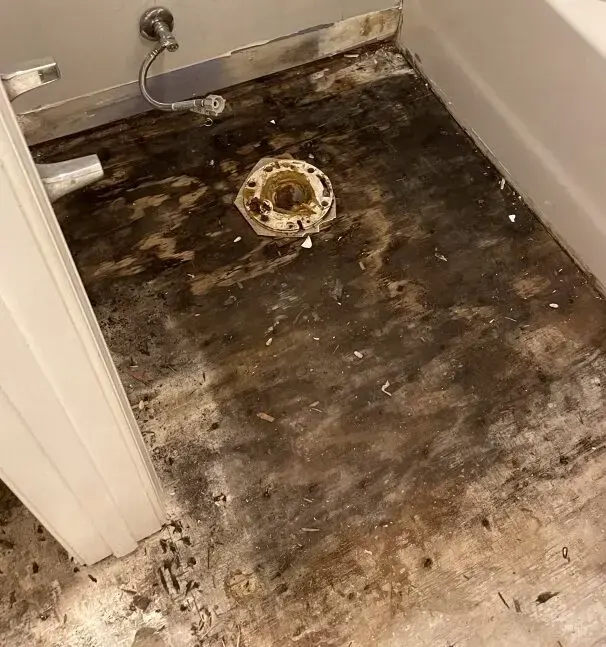
Sewage backup water is contaminated. It may come up through a floor drain, a toilet, a tub or a cleanout, and it carries bacteria and waste.
That makes it different from a clean water leak. Porous items that touch it, such as carpet, pad, the bottom of drywall and cabinet bases, cannot be made safe and are removed.
- Keep children and pets away from the affected rooms.
- Do not use sinks, tubs or toilets while the backup is active.
- Stay out of the water, and wear boots and gloves if you must go in.
- Do not run a household vacuum on sewage water.
How the cleanup works and what follows
A sewage cleanup follows a careful order, because each step protects the next. The aim is to contain the contamination, remove what cannot be saved and treat what can.
Containment
The team limits the spread by closing doors and sealing off the affected area where needed. Tracking waste through the house is the biggest cause of spread.
Removal
Standing water is extracted, and porous materials are cut out and bagged. Flooring, pad and the lower portion of drywall are typical removals.
Cleaning and treatment
Hard surfaces and framing are cleaned and treated with products made for contaminated water. The team dries the structure to a measured target before anything is rebuilt.
What happens after the water is gone
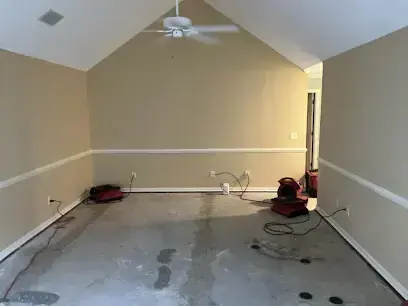
Once the backup is cleared and the cleanup is finished, the structure still needs to dry. Moisture readings confirm that walls and floors have reached the target before repairs begin.
Owners should keep records of the provider's response, the plumber's findings and the cleanup. Those records help with claims, and they explain who handled each part of the problem.
Apartments, rentals and shared drains
About a third of North Charleston housing units are apartments, and 47 percent of units are renter occupied, according to city planning data. A sewage backup in an apartment can affect more than one unit.
A tenant should tell the landlord right away and keep photographs. A landlord should contact the sewer provider and arrange cleanup quickly, so waste does not spread through shared walls and floors.
- Tenants: report the backup in writing and keep dated photographs.
- Landlords: contact the provider and arrange professional cleanup.
- Neighbors: avoid using shared plumbing until the cause is found.
Questions to settle and records to keep
A backup raises a few practical questions, and answering them early saves time. They also help the sewer district and the plumber find the cause.
- Is more than one drain backing up, or only one fixture?
- Did the backup begin after heavy rain, a blockage or a flush of grease or wipes?
- Are neighbors reporting the same problem?
- Is the provider the sewer district or Charleston Water System?
- Has the property had a backup before?
What to keep for a claim
Sewage loss claims depend on records. Photographs of the affected rooms, notes about when the backup began and the names of the people who responded all matter.
A moisture log from the cleanup shows when each material was dry, and a written scope explains what was removed. Together, those records give the insurer a clear picture of the loss.
Where to read more
The sewage backup cleanup page for North Charleston explains the process in the city, and the North Charleston hub lists the other water problems residents face.
For the wider process, the sewage backup cleanup service in Goose Creek describes the same steps.
Questions
Who should be called first for a sewage backup in North Charleston?
North Charleston Sewer District asks residents to contact it before calling a plumber. The provider can depend on the address, since Charleston Water System also serves sewer customers.
Will the sewer district repair a private pipe?
No. The district says its crews do not make repairs on private property.
Who pays for a grease blockage?
The district says blockages traced to a home or business from improper fats, oils and grease disposal are the property owner's responsibility.
Is sewage backup water dangerous?
It is contaminated, so people and pets should stay out. Porous materials it touches are removed, and hard surfaces are cleaned and treated.
Does the district have an emergency contact?
Yes. North Charleston Sewer District has a 24 hour emergency contact for sewer backups.