Water Damage Restoration in Charleston, SC
Harbor tides, river flooding, summer downpours and ordinary plumbing failures all put water inside Charleston buildings. Dispatch sends extraction and drying crews around the clock, and every job is measured and logged until the structure reads dry.
(888) 532-8921Flood or leak? Call dispatch nowHomes, rentals and businesses from the peninsula to West Ashley, James Island and Daniel Island.
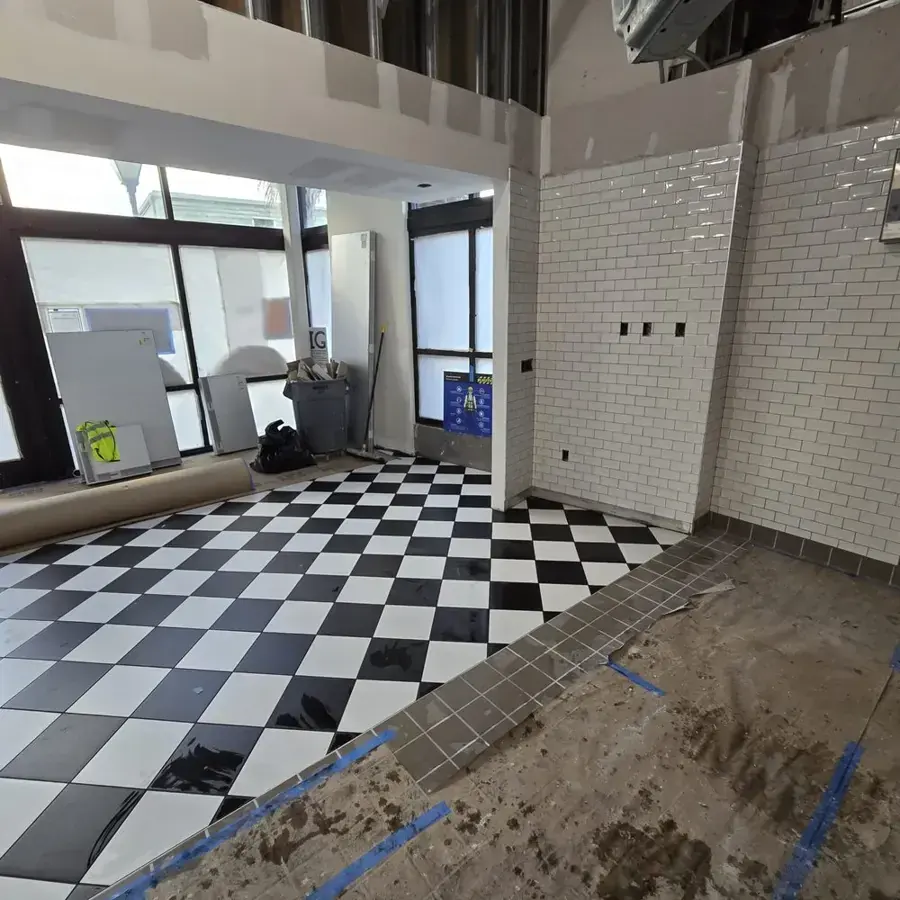
What to do while water is still spreading
- 1
Stay out of tide water
Flood water from the harbor or a creek can carry sewage, debris and hidden electrical hazards, so people and pets stay clear.
- 2
Cut power with care
Switch off breakers for wet rooms only when the panel sits in a dry spot, otherwise leave it for an electrician.
- 3
Stop the source
Close the shutoff valve for a leaking fixture, appliance or pipe, and note where the water first appeared.
- 4
Photograph everything
Capture the water height on walls and furniture, plus damaged belongings, before anything is cleaned or moved.
- 5
Raise what you can
Carry papers, electronics, photos and small rugs to a dry room or a high shelf, and leave heavy furniture alone.
Every water problem a Charleston building can have
Charleston crews handle sudden floods and slow leaks alike, from tide water on the first floor to a stained ceiling or a failed supply hose. Each service below has its own page with costs and steps.
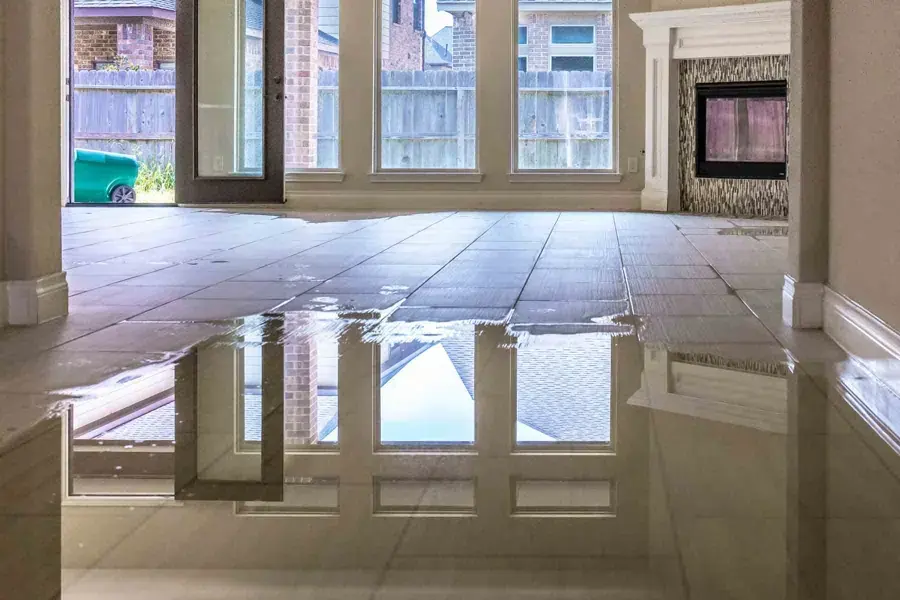 Common in Charleston
Hurricane and Storm Water Damage
Surge, tide and storm rain that enters from outside is pumped out, stripped back and disinfected.
See hurricane and storm water damage Common in Charleston
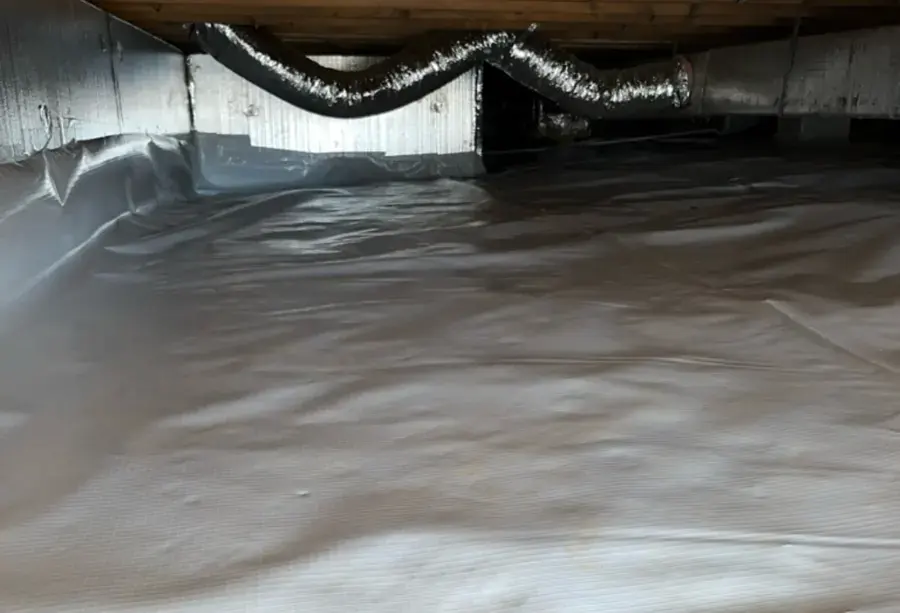
Crawl Space Water Damage
Standing water, soaked insulation and wet joists under a raised floor are pumped, pulled out and dried.
See crawl space water damage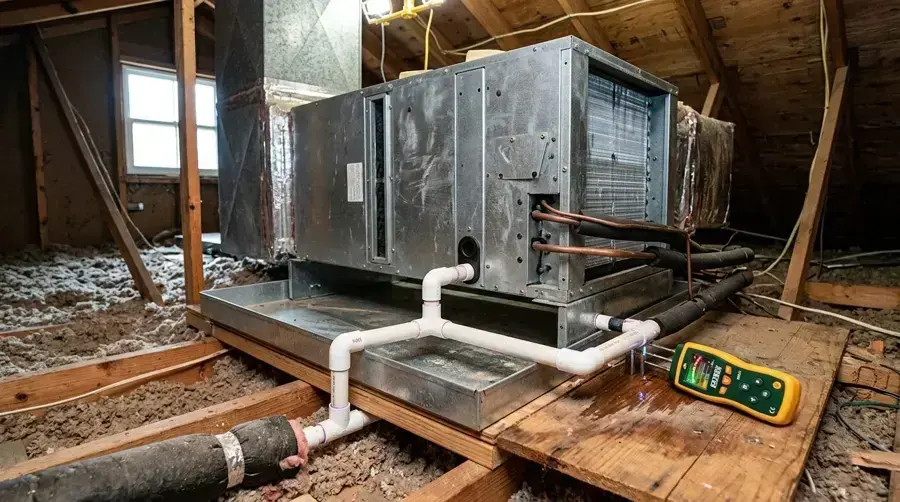
AC Condensate Leak Water Damage
An overflowing condensate pan or clogged drain that stains a ceiling or soaks a closet wall is dried.
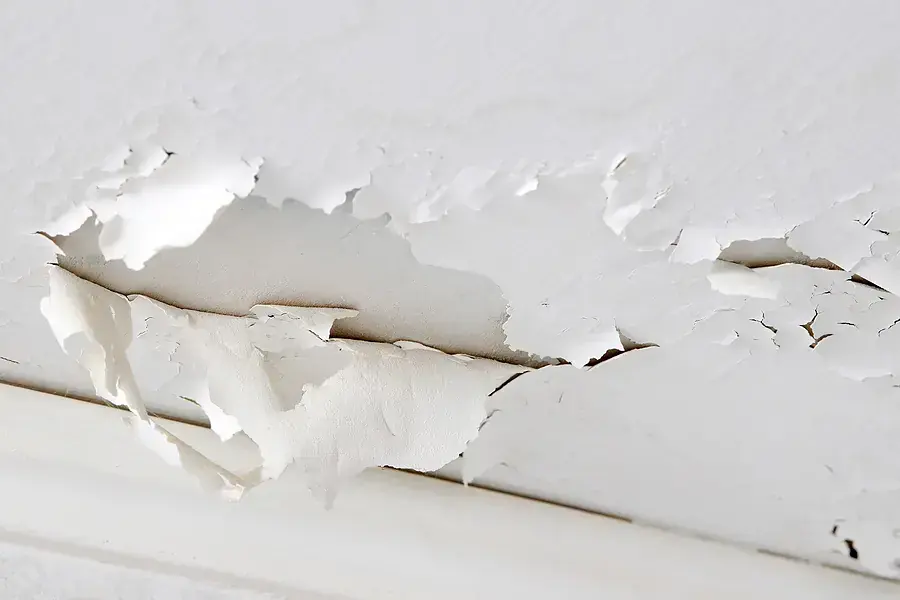
Storm Roof Leak Water Damage
Wind-lifted shingles and failed flashing let rain through, so wet attic insulation and ceilings get dried.
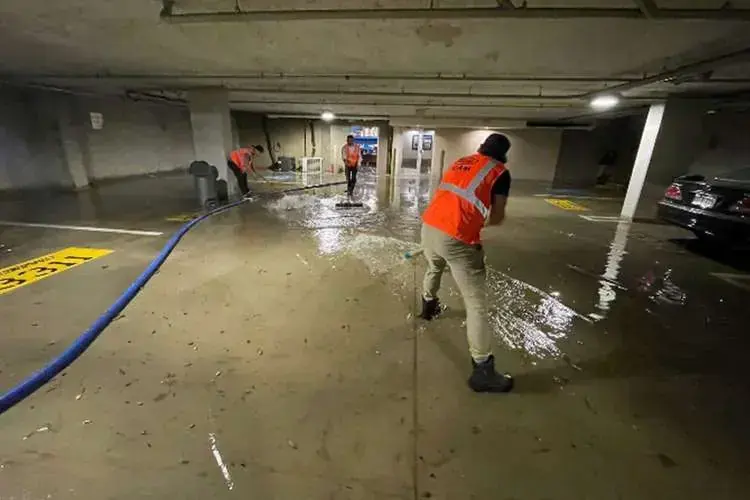
Emergency Water Extraction
Truck-mounted and portable pumps pull standing water off floors before it wicks into drywall.
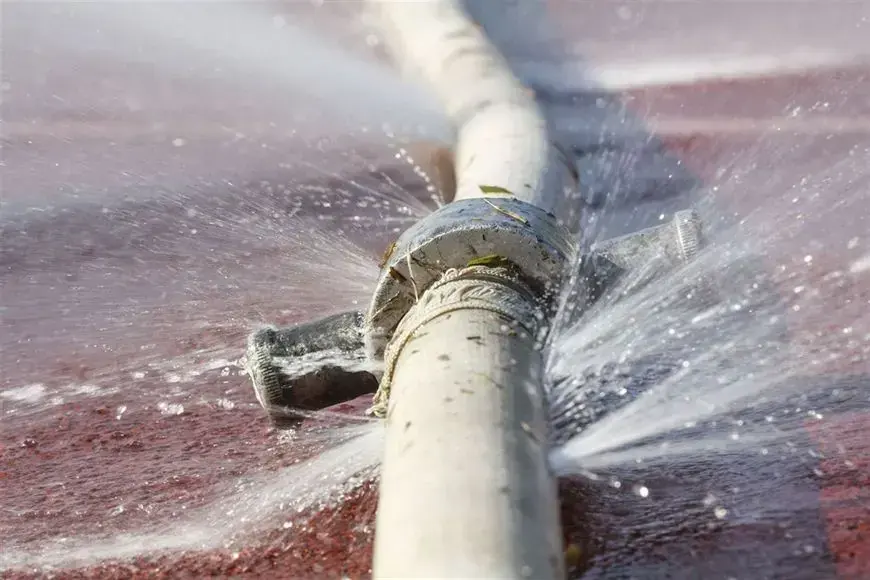
Burst Pipe Water Damage
A split pipe or failed fitting soaks walls fast, so extraction and cavity drying start together.
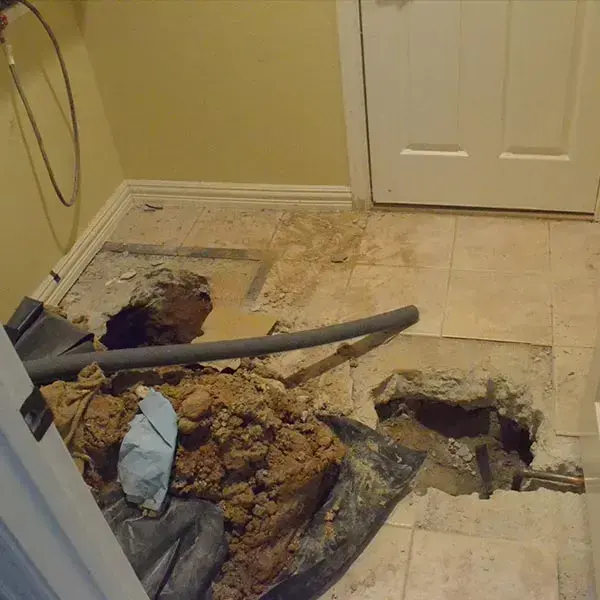
Slab Leak Water Damage
Leaks hidden under concrete show as warm floor spots, so the floor is mapped and dried.
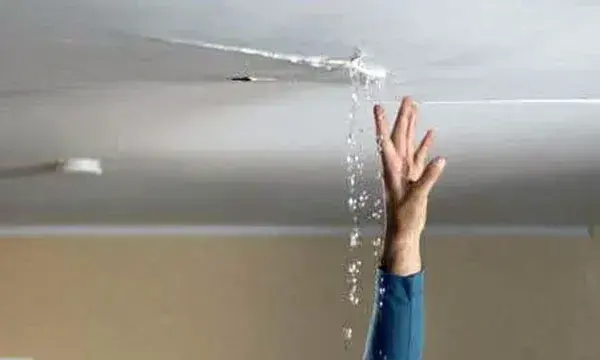
Ceiling Leak Water Damage
Stained or sagging ceilings are traced to the roof or an upstairs source, opened and dried.
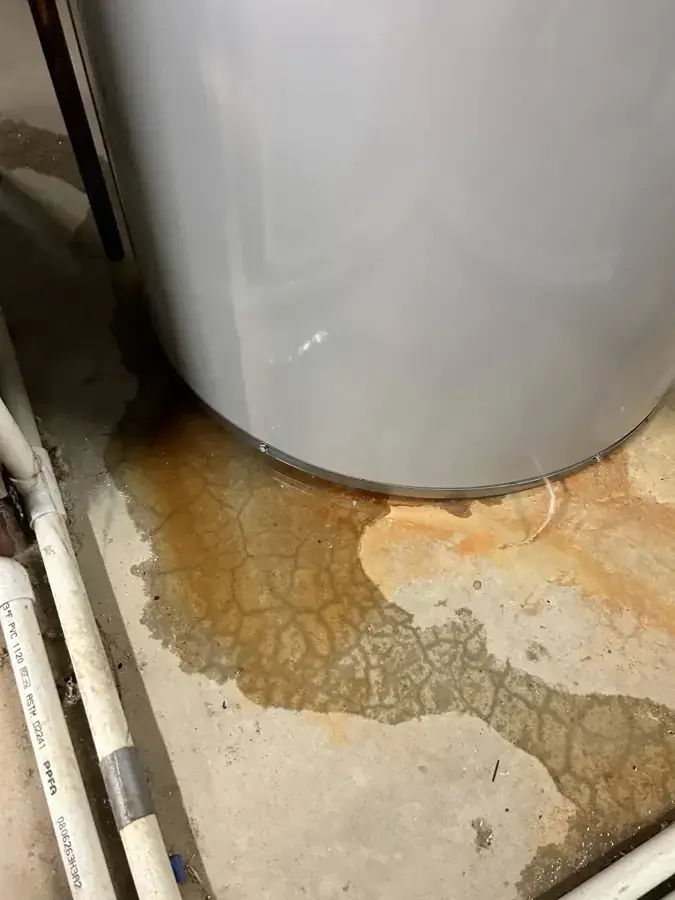
Water Heater Leak Cleanup
Leaks from a tank or fitting into a closet or garage are extracted and the walls dried.
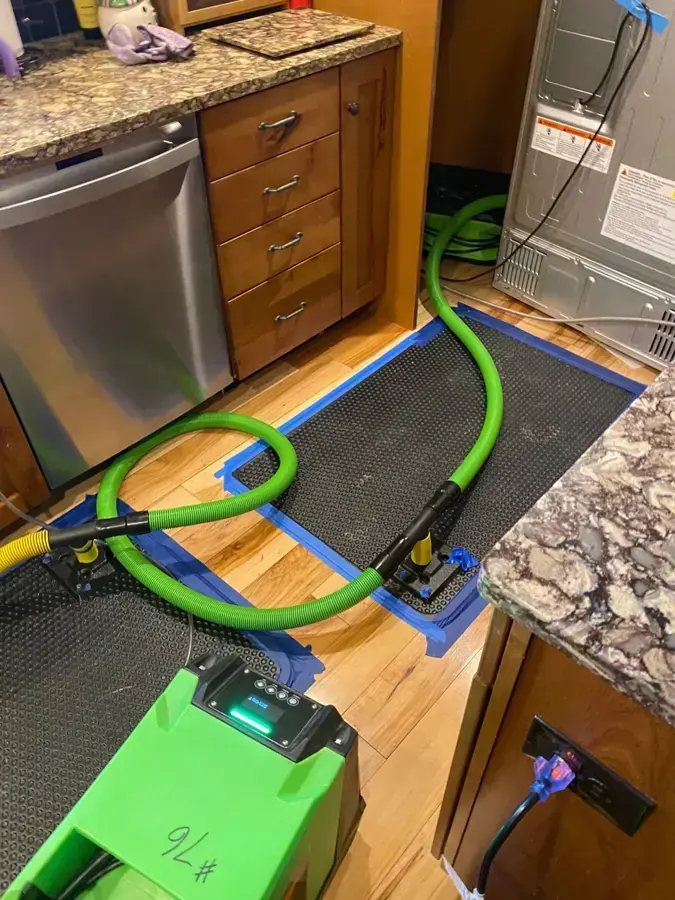
Appliance Leak Water Damage
Washer, dishwasher and refrigerator leaks that soak floors and cabinet bases are extracted and dried.
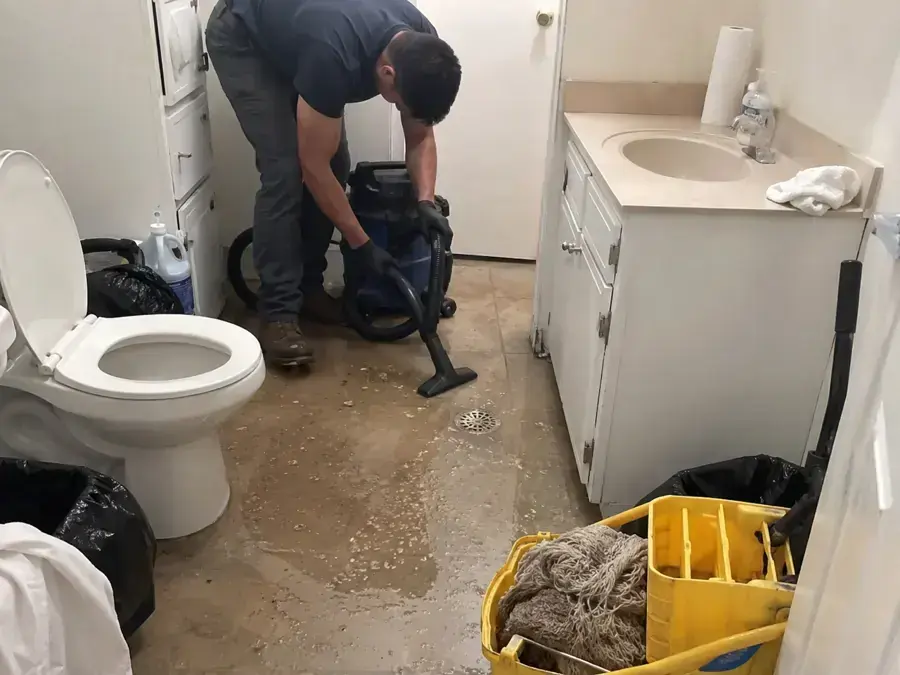
Bathroom and Shower Leak Water Damage
Leaking toilet supplies, tubs and shower seals that soak subfloors and walls are dried.
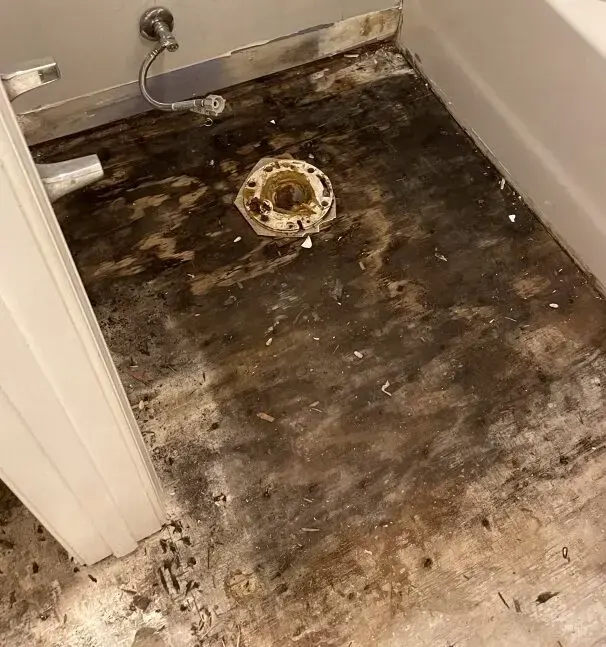
Sewage Backup Cleanup
Contaminated backups are contained, removed and sanitized in protective gear with air scrubbers running.
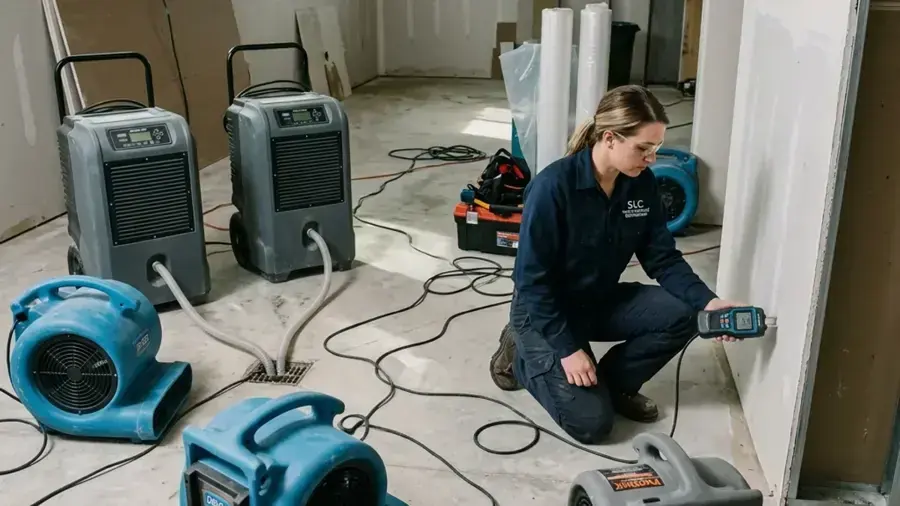
Structural Drying and Dehumidification
Air movers and LGR dehumidifiers dry wet framing and subfloors until daily readings reach target.
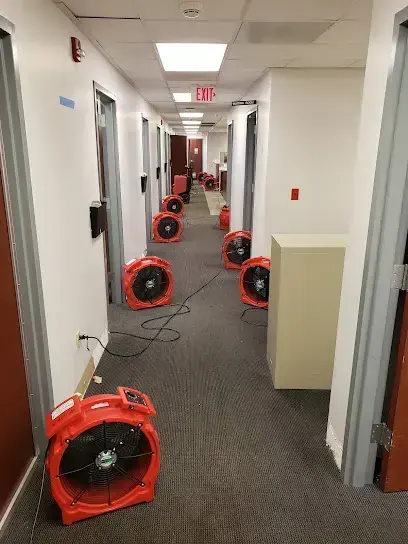
Commercial Water Damage
Hotels, restaurants, shops and offices get phased, after-hours water work that keeps part of the business open.
Why the water category changes the whole job
Clean water
A split supply pipe or tank starts clean, but it degrades the longer it sits on carpet and wood.
See burst pipe damageGray water
Washer, dishwasher and tub overflow carries soap and light contamination, so soaked porous materials usually come out.
Appliance leak damageBlack water
Sewage and rising flood water carry bacteria, so the area is contained, cleaned in protective gear and porous materials are discarded.
Sewage backup cleanupHow Charleston buildings get dried to a standard
Humid subtropical air slows evaporation, so wet Charleston buildings need controlled drying instead of open windows and box fans. The drying team follows the IICRC S500 standard, sets air movers and dehumidifiers by room size and volume, and checks moisture every day until each material reaches its dry goal, then records a final reading. Details sit on the structural drying page.
- 1
Find the wet areas
A meter and an infrared camera trace water through walls, floors and ceilings, so hidden pockets get marked before any material comes out.
- 2
Pull out standing water
Pumps and extractors remove what has pooled, and ruined pad, baseboard and wet drywall are cut out so air can reach the cavities.
- 3
Set the equipment
Air movers and dehumidifiers are placed by room volume and material, with extra capacity for dense wood and wall cavities.
- 4
Read until dry
Daily readings compare wet and unaffected materials, and equipment stays running until every reading reaches the target.
What Charleston water damage work usually costs
Cost follows the number of wet rooms, how long the water sat and whether it was clean, gray or black. A quick catch costs a fraction of a flooded floor, and the three tiers below show the usual spread.
One room, caught fast
$1,200 to $3,500
- Water extraction and cleanup
- Drying in place with air movers
- Readings logged daily
Several rooms, wet walls
$3,500 to $7,500
- Baseboards and wet pad removed
- Wall cavities opened and dried
- Full structural drying
Whole floor or storm flood
$16,000 to $32,000
- Wide tear-out and disinfecting
- Contents carried out and stored
- Long structural dry-out
Whether insurance pays turns on the policy and what caused the water. The crew hands the adjuster photos, moisture readings and equipment logs, and a written scope comes before any tear-out starts.
A crew built for tide, storm and plumbing water
Charleston buildings face tide flooding, tropical storms and the same leaks as anywhere else, often in rentals where the occupant and the owner both need clear paperwork. The crew documents each step so both sides, and the insurer, can follow the job. Dispatch answers at all hours, and the crew arrives with pumps, meters and drying equipment already loaded. Larger properties are covered under commercial water damage.
Around-the-clock dispatch
Dispatch takes flood and leak reports at any hour, because tide water and burst supply pipes do not wait for business hours.
Peninsula and mainland reach
Crews work across the historic peninsula, West Ashley, James Island and Daniel Island, each with its own access challenges.
Paperwork adjusters accept
Photos, moisture maps and daily drying logs are bundled into a file the insurer can read without chasing anyone.
Storm flood experience
Hurricane Matthew, Tropical Storm Irma and the October 2015 flood are the benchmark events that shape how crews plan for surge water.
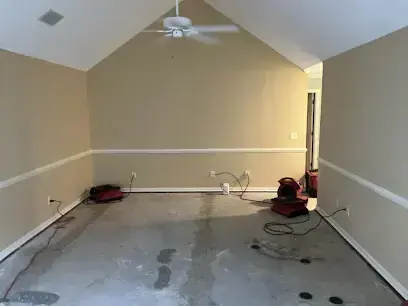
Documentation insurers can use
Every Charleston job produces a record that supports a claim from the first photo to the last reading.
- Dated photos of every affected room, wall and damaged belonging
- Moisture readings by room and material, recorded on every visit
- Equipment placement and run time noted for each day of drying
- The suspected source of the water and its category rating
- A written scope of work and an itemized invoice
If you file a claim yourself
Rental occupants and owners each have a role after a loss, so confirm who reports to the insurer and who contacts the property owner before work begins. Keep receipts for anything you buy, such as fans, storage bins or a hotel stay.
Coverage for water damage usually depends on the policy and on whether the cause was sudden. Flood from tide or storm surge is often handled under separate flood coverage, so ask the insurer which applies.
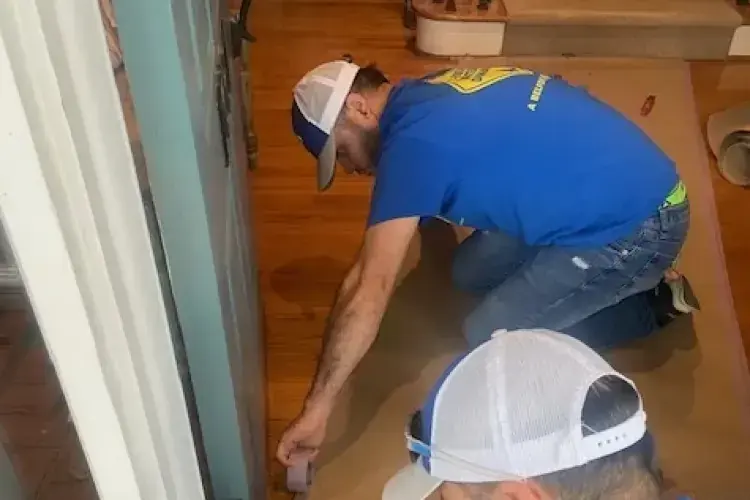
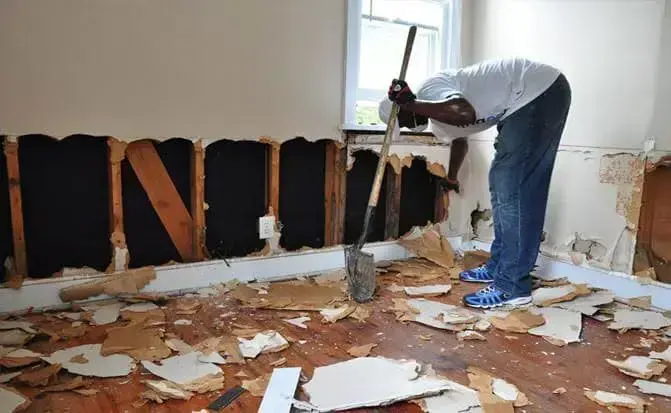
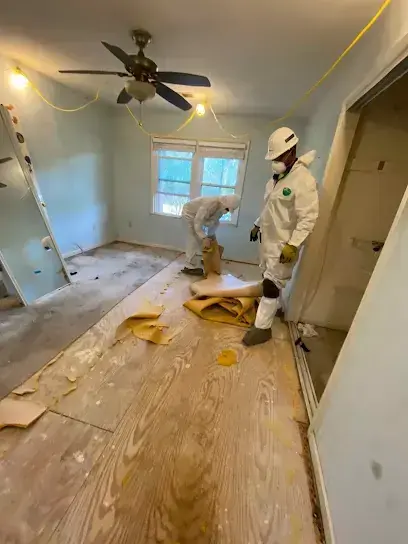
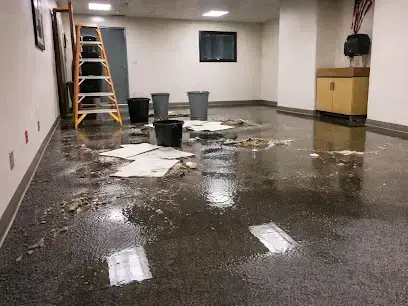
What drying and cleanup look like on a job site
Neighborhoods across Charleston the crews serve
One call starts Charleston water cleanup
Whether the water came off the harbor, a creek or a failed pipe, dispatch routes the nearest extraction and drying crew to the property.
(888) 532-8921Request Charleston water helpCharleston, SC · [email protected]
Areas covered in Charleston
ZIP codes
Nearby towns
Tides, rivers and rain that reach Charleston buildings
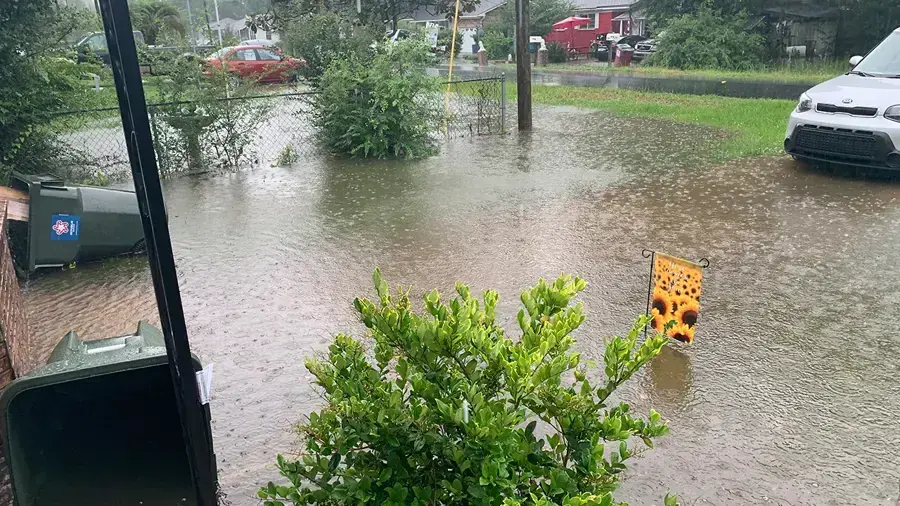
Charleston sits on a harbor where the Ashley, Cooper and Wando rivers meet the Atlantic Ocean, and the historic peninsula is surrounded by water on three sides. NOAA notes the flood-prone part of the peninsula sits on former marshland and creeks.
- Tidal flooding: Peninsula high tides brought flooding on about 25 days a year by 2014, up from about 2 days in 1950.
- River spill: The Stono, Ashley, Cooper and Wando rivers and Wappoo Creek are listed among the city's flood sources.
- Storm surge: Hurricane Matthew in 2016 caused extensive surge flooding, and Tropical Storm Irma in 2017 brought the third highest harbor tide on record.
- Heavy rain: Almost half of the yearly rain falls from June to September, and the October 2015 flood brought 15 to 20 inches.
- Pipe failures: Snow is rare here, so indoor leaks more often start at a failed fitting, a clogged drain or a tired appliance.
- September 1989
Hurricane Hugo's eye came ashore at Charleston Harbor and damaged three-quarters of historic district homes.
- October 2015
Rain of 15 to 20 inches fell across the area, and high tides worsened flooding downtown.
- October 2016
Hurricane Matthew made landfall near McClellanville, and storm surge flooding in Charleston was extensive.
- January 2018
A rare snow and freezing rain event hit Charleston, the first one in several years, which made it a rare event.
Charleston water damage questions
Who answers a flood call in Charleston?
Dispatch answers around the clock and sends an extraction crew with pumps, meters and drying equipment. The first visit ends with a plan for removal and drying, plus a record of the damage that the insurer can use.
What should I do first when tide water gets inside?
Stay out of the water, shut off the source if a pipe or appliance caused it, photograph the damage and call dispatch. Leave breakers alone if the panel is wet, and do not use household vacuums on standing water.
Is tide or storm flood water considered contaminated?
Water that rises from outside is treated as Category 3, because it crosses streets, yards and drains before it reaches a door. Carpet, pad and wet drywall are typically removed, and the framing is disinfected before drying begins.
How long does drying take in coastal humidity?
No fixed schedule applies. Muggy coastal air slows evaporation, so the drying team relies on LGR dehumidifiers and daily moisture readings, and the job ends when each material reaches its dry goal rather than on a set date.
Will insurance cover water damage in a rental?
Coverage depends on the policy and the cause of the water. Renters and owners usually carry separate policies, so each should report the loss and share the crew's photos and drying logs with their own adjuster.
Can historic homes be dried without harm?
Careful extraction and targeted drying protect trim, flooring and original finishes. Some properties carry Historic Charleston Foundation or Preservation Society of Charleston easements, which can add permit steps before repairs begin.
Who handles permits for repairs after water damage?
Building, plumbing and electrical permits and inspections go through the City of Charleston Permit Center. Charleston County officials say the current homeowner is liable for fines and retroactive permits on unpermitted work.
What happens when sewage backs up into a home?
Crews wearing protective gear contain the area, remove contaminated materials and sanitize surfaces with air scrubbers running. Charleston Water System is the wastewater provider and reports overflow reduction work, mainly in West Ashley.
Are commercial properties handled differently?
Hotels, restaurants, shops and offices usually need phased work, containment between areas and after-hours crews so part of the business can stay open. The same moisture mapping and daily logs apply to every suite.
Should I wait for the adjuster before calling a crew?
No. Water keeps spreading while claims are filed, so the crew starts extraction right away and documents the damage as it goes. Delay lets wet drywall, subfloor and flooring turn into a larger repair.
Water in a Charleston building right now?
Dispatch answers every hour of the day and sends extraction crews with pumps and drying equipment to homes and businesses across Charleston.
Call dispatch before the water spreads further
Wet drywall, pad and framing start to deteriorate quickly once water spreads through a Charleston building. The extraction crew removes it, and the drying team stays until the readings say the structure is back to normal.
- Goose Creek, SC · Berkeley County
- Dried to the IICRC S500 standard
- Find us on Google