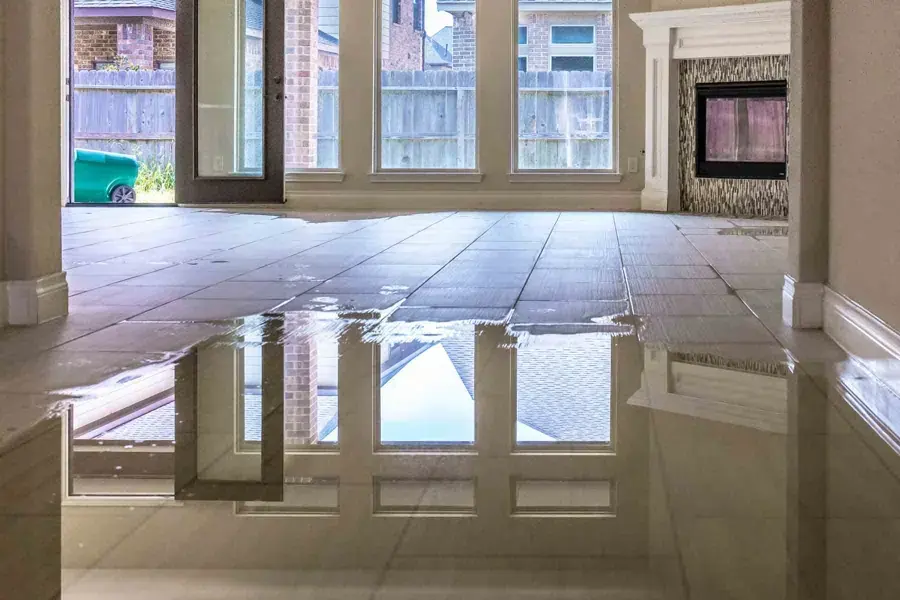
Storm Flood Water Damage Restoration in Charleston, SC
When harbor tide, surge or tropical rain pushes water into a Charleston home or shop, the crew pumps it out, strips soaked materials and disinfects before the drying team starts.
Surge and tide water Category 3 protocol Flood cuts and drying
Right now
First steps for hurricane and storm water damage in Charleston
1
Keep out of flood water
Tide and surge water can hide sewage, sharp debris and live wiring, so children and pets stay out of it.
2
Shut off power
Switch off breakers for flooded rooms only if the panel sits in a dry area, otherwise wait for an electrician.
3
Photograph the water height
Capture the height of the water on walls, doors and furniture before anything is moved or cleaned.
4
Move valuables up
Put electronics, paperwork and photos on counters or upper floors, then call dispatch for extraction.
Hurricane and Storm Water Damage: the trade facts
Water categoryCategory 3 when from outside
Drying standardIICRC S500 measured
Common sourceTide, surge and heavy rain
Work orderPump, strip, disinfect, dry
Charleston water arrives from several directions at once. The Ashley, Cooper and Wando rivers meet at Charleston Harbor, the peninsula is ringed by water on three sides, and summer thunderstorms add rain on top of the tide. Water that enters from outside is handled as storm flood water, not as a simple leak, and water extraction begins the work.
What the crew does first
Pumps and extractors move standing water out of living areas, garages and ground floor rooms before it reaches more drywall.
Carpet, pad and damaged baseboard come out, since flood water carries silt and bacteria that cannot be washed from porous materials.
Drywall is cut above the water mark, called a flood cut, so wet insulation can be pulled and the cavity opened to air.
Surfaces are cleaned and treated with an EPA-registered antimicrobial before any drying equipment goes in.
Typical cost ranges
What does hurricane and storm water damage cost in Charleston, SC?
A flooded room usually costs in the low thousands, while a whole floor reaches the tens of thousands, because Category 3 cleaning, wide tear-out and longer drying all add labor. The ranges below show how the scope moves the total.
One room, shallow water
$3,500 to $8,500
Extraction and flood cut
Carpet and pad removed
Antimicrobial and drying
Several rooms
$8,000 to $18,000
Flooring removed in each room
Wet insulation out of walls
Containment and HEPA air
Whole floor flooded
$16,000 to $32,000
Wide removal and cleaning
Extended structural drying
Contents moved out
Ranges are typical figures, not a quote. The category of water, the square footage, the material class and how fast drying started move the number most. The water damage cost calculator gives a closer range.
Step by step
How hurricane and storm water damage is handled in Charleston
The tech who does the walkthrough finds the source and maps the moisture before equipment goes down, and the drying team keeps it running until the readings say dry.
1
Extract
Pumps pull standing tide or storm water from every wet room and the garage.
2
Open
Soaked carpet, pad, baseboard and lower wallboard are cut out and hauled away.
3
Treat
Exposed framing and floors are cleaned and sprayed with an antimicrobial.
4
Dry
Air movers and dehumidifiers run until readings reach the dry target.
01
Why tide and surge water is different
Tide and surge water crosses streets, yards and storm drains before it reaches a door, so it collects debris and bacteria along the way. Hurricane Matthew in 2016 caused extensive surge flooding in Charleston, and the October 2015 flood showed how heavy rain and high tides combine downtown. Those events are the reference points crews use when planning a flood job.
02
Drying after the tear-out
Once the structure is open, air movers and LGR dehumidifiers run while the technician logs moisture readings on every visit. Muggy coastal air slows evaporation, so equipment stays in place until framing, subfloor and trim reach their dry goal rather than a calendar date. See structural drying.
03
Permits and historic buildings
Repairs after a flood may need permits through the City of Charleston Permit Center, and some historic properties carry Historic Charleston Foundation or Preservation Society of Charleston easements. Dry-out records help the owner explain what was removed and why.
Charleston, SC service area
Service area
Hurricane and storm water damage across Charleston and nearby towns
Storm water crews work in ZIP 29401 and 29403 and in peninsula neighborhoods such as Harleston Village, South of Broad, Ansonborough, Wagener Terrace and Hampton Park, plus West Ashley.
Hurricane and Storm Water Damage questions in Charleston, SC
Is storm flood water dangerous to touch?
Yes. Water from outside can carry sewage, fuel and sharp debris, so skin contact and wet vacuuming at home are risky. Crews wear protective gear and treat the area as Category 3.
How is flood water different from a plumbing leak?
A leak starts clean, while surge and tide water cross streets and yards first. That contamination means carpet, pad and wet drywall usually come out instead of drying in place.
Does a high tide flood count as storm damage?
The water is handled the same way, because it enters from outside. Whether insurance pays depends on the policy, and flood coverage is often separate, so ask the insurer early.
Why do Charleston floods need fast pumping?
Wallboard, pad and wood floors keep absorbing while water stands on them, and humid air slows evaporation. Early extraction limits how high the damage climbs into the walls.
Are historic homes harder to dry?
Careful flood cuts and targeted drying protect trim and flooring, and properties with preservation easements may need permit steps first. The crew photographs every opening for the file.
What proof does the adjuster receive?
Dated photos, moisture maps, equipment logs and the final dry readings go into one file, which supports a claim for the removal and drying work.