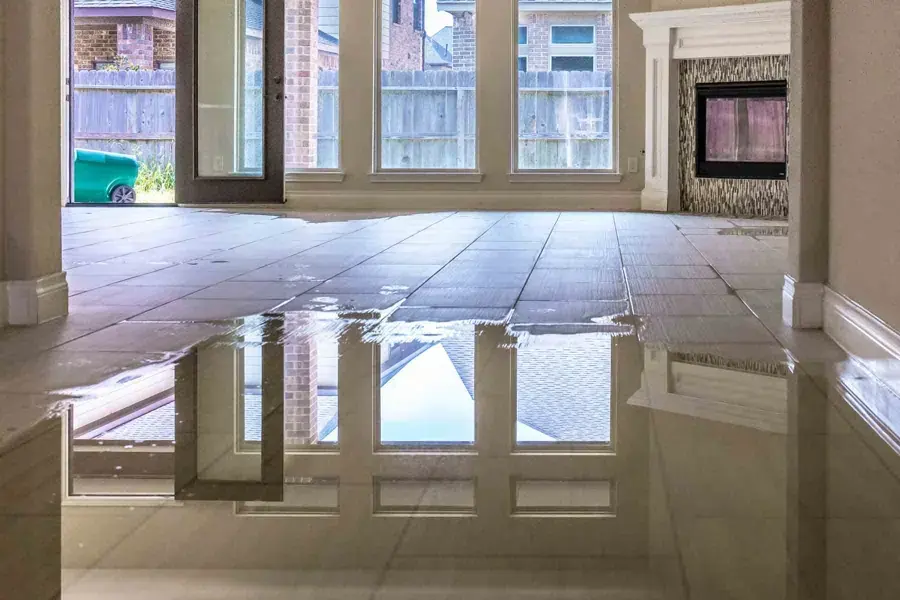
Storm Water Damage Restoration in North Charleston
When Cooper River surge and hard rain push water into a North Charleston house, the first job is pumping it out, then stripping wet materials and drying the structure before damage spreads.
Pumping and extraction Category 3 cleanup Insurer ready records
Right now
First steps for hurricane and storm water damage in North Charleston
1
Stay out of the water
Surge and creek water can hide contamination and electrical hazards, so people and pets should stay clear.
2
Shut off power
Turn off breakers for flooded areas only if the panel stays dry, and leave anything submerged to an electrician.
3
Photograph the water line
Photograph the flood height, flooring and belongings before anything is moved or thrown out.
4
Call a drying crew
Pumping should begin as soon as the water recedes enough to work, since framing absorbs contamination while it sits wet.
Hurricane and Storm Water Damage: the trade facts
Water typeCategory 3 surge and creek water
Main hazardContamination in porous materials
Drying timeSeveral days
Cost range$3,500 to $32,000
Storm flooding around North Charleston arrives from two directions at once: tidal surge pushing up the Cooper River and Ashley River, and rain that has nowhere to drain on low ground. Either way, the water is classed as Category 3 because it carries soil, bacteria and runoff, so cleanup starts with removal rather than a quick dry. Speed still matters, since drywall and insulation wick water upward the longer they sit wet.
What storm water cleanup includes
Pumping and extraction with truck-mounted units until standing water is gone from the floor, the pad and low cavities.
Flood cuts through drywall a foot or more above the water line, plus removal of wet insulation, carpet and pad.
Disinfecting framing, subfloor and hard surfaces with an EPA-registered antimicrobial once the debris is out.
Structural drying with air movers and LGR dehumidifiers, checked with moisture meters at every visit until readings meet the dry standard.
Typical cost ranges
What does hurricane and storm water damage cost in North Charleston, SC?
Storm water jobs in North Charleston usually cost from about $3,500 for one shallow room to $32,000 or more when the whole floor floods, because Category 3 water adds removal, disinfecting and longer drying.
One room, shallow water
$3,500 to $8,500
Extraction and flood cut
Carpet and pad removed
Antimicrobial and drying
Several rooms
$8,000 to $18,000
Flooring removed in each room
Wet insulation out of walls
Containment and HEPA air
Whole floor flooded
$16,000 to $32,000
Wide removal and cleaning
Extended structural drying
Contents moved out
Ranges are typical figures, not a quote. The category of water, the square footage, the material class and how fast drying started move the number most. The water damage cost calculator gives a closer range.
Step by step
How hurricane and storm water damage is handled in North Charleston
The tech who does the walkthrough finds the source and maps the moisture before equipment goes down, and the drying team keeps it running until the readings say dry.
1
Remove
Pumps and truck-mounted extractors clear standing water from every affected floor.
2
Strip
Wet carpet, pad, insulation and the lower drywall are cut out and bagged.
3
Disinfect
Framing and hard surfaces are cleaned and treated with an antimicrobial.
4
Dry
Air movers and dehumidifiers run while readings are logged until the target is met.
01
Why surge and creek water differs
Filbin Creek drains toward the Cooper River, and a Cameron Terrace resident described backyard water reaching six feet deep when the creek backed up. That kind of water carries sediment and contamination, so porous finishes cannot be saved. Hard surfaces can usually be cleaned and kept.
02
Insurance questions after a flood
Rising water from a storm is often handled under a flood policy rather than a standard homeowners policy, while wind driven rain through a damaged roof may fall under the homeowners side. Photos taken before demolition and daily drying logs help the adjuster sort out which damage came from which source, and the roof leak page explains that second case.
03
After the pumping
Once dry readings hold steady, the crew removes equipment and the owner can rebuild. Large losses usually move from water extraction into structural drying before any reconstruction starts.
North Charleston, SC service area
Service area
Hurricane and storm water damage across North Charleston and nearby towns
Storm calls cover ZIP 29405, 29406 and 29418, with regular work around Cameron Terrace beside Filbin Creek, Park Circle, Liberty Park and the Ashley Phosphate Road corridor.
Hurricane and Storm Water Damage questions in North Charleston, SC
Is storm flood water safe to clean up myself?
Floodwater from creeks, surge and storm drains is Category 3, so gloves and boots are the bare minimum. Soaked drywall, carpet and insulation should be left to a crew with disinfecting supplies.
Will homeowners insurance cover flood damage?
Rising water is commonly excluded from a standard homeowners policy and handled by a separate flood policy, while wind and rain through a damaged roof are often treated differently. Ask the adjuster early.
How long does a flooded house take to dry?
Most flooded rooms need three to five days of equipment, and thick materials such as hardwood take longer. Readings, not the calendar, decide when the job is finished.
Which North Charleston areas flood most often?
Neighborhoods along Filbin Creek, including Cameron Terrace, flooded in Hurricane Matthew and Hurricane Irma, and the October 2015 rain flooded much of the region.
Can anything be saved after surge water?
Hard surfaces and solid framing are usually cleaned and kept. Carpet, pad, insulation and drywall that soaked in contaminated water are normally removed and replaced.
Does a flood cut mean the whole wall comes down?
No. Crews cut the drywall a little above the water line, remove the wet section and leave the dry upper wall in place.