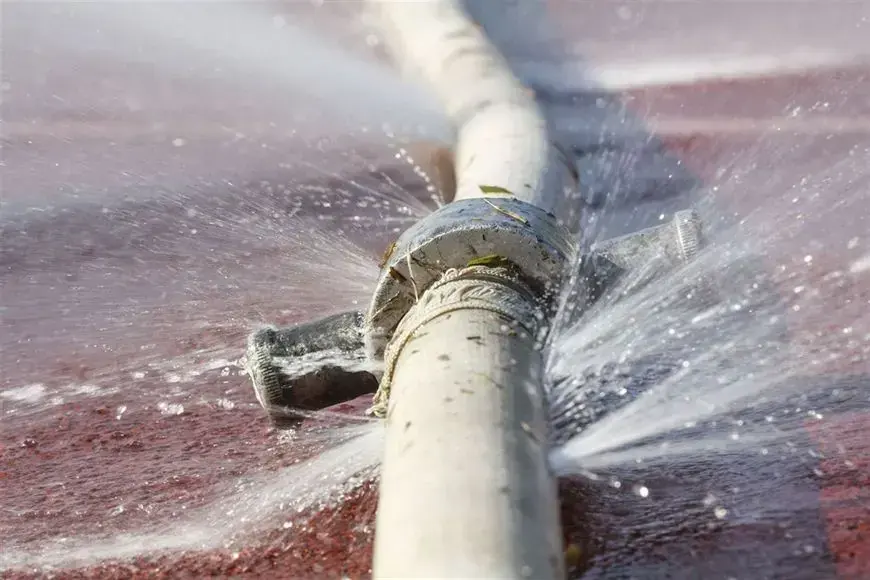
Burst Pipe Water Damage Restoration in Charleston, SC
A split pipe or failed fitting can empty into walls and floors for as long as it runs. The crew extracts the water, opens the wet cavities and dries the structure with readings logged daily.
First steps for burst pipe water damage in Charleston
1
Shut the main valve
Turn off the main valve or fixture shutoff first, because every extra gallon spreads the damage.
2
Cut power if wet
Switch off breakers for soaked rooms only if the panel is dry.
3
Drain the pipes
Open a low faucet to relieve pressure after the main valve is off.
4
Document the damage
Photograph the break, the wet walls and damaged belongings for the adjuster.
Burst Pipe Water Damage: the trade facts
Common causeFailed fitting or exposed pipe
Water categoryClean at the start
Hidden riskWater inside wall cavities
Freeze riskRare in Charleston
Snow falls at Charleston's airport about once per decade, so freeze bursts are uncommon here. Most pipe floods start at a failed fitting, a cracked supply hose or an exposed pipe in an attic or garage, and they run at full pressure until someone closes the valve.
What the water does inside walls
Water follows framing and drops into the wall cavity, soaking insulation and the back of the drywall.
Pad and baseboards wick water sideways into rooms that never saw a drip.
Hardwood and laminate swell along seams, so floor checks continue after the surface looks dry.
Ceilings below an upstairs break can hold water above the paint, so they are scanned with an infrared camera.
Typical cost ranges
What does burst pipe water damage cost in Charleston, SC?
A burst caught fast and limited to one room sits near the bottom of the range. Water that reached wall cavities, ceilings and a crawl space needs more removal and longer drying, so the total climbs with the hidden damage.
One room, caught fast
$1,200 to $3,500
Extraction
Drying in place
Daily readings
Several rooms or a wall cavity
$3,500 to $7,500
Wall cavities opened
Pad and baseboard removed
Structural drying
Ceiling, walls and crawl space
$7,000 to $12,000
Ceiling and wall removal
Crawl space drying
Extended dehumidification
Ranges are typical figures, not a quote. The category of water, the square footage, the material class and how fast drying started move the number most. The water damage cost calculator gives a closer range.
Step by step
How burst pipe water damage is handled in Charleston
The tech who does the walkthrough finds the source and maps the moisture before equipment goes down, and the drying team keeps it running until the readings say dry.
1
Extract
Pumps and wet vacuums remove standing water from floors and pooled areas.
2
Open
Baseboards come off and small openings expose wet wall cavities.
3
Dry
Air movers and dehumidifiers run on floors, cavities and ceilings.
4
Check
Meter readings on every wet material decide when equipment leaves.
01
Clean water, quick action
A supply pipe carries clean water, so more materials can be dried in place if the crew moves fast. That window closes as the water ages, because pad and drywall begin to harbor bacteria. Valve shutoff comes first, then extraction.
02
Opening only what is needed
The technician cuts small openings at the bottom of wet walls, lifts baseboard and drills discreet holes to move air through the cavity. Plumbers repair the pipe, and the dry-out record shows the insurer what was removed and why. Water extraction usually comes before drying.
03
When the break is older
A slow drip under a sink or behind a wall can run for weeks before a stain appears. Long-running leaks soak more material and may involve structural drying equipment for framing and subfloor.
Charleston, SC service area
Service area
Burst pipe water damage across Charleston and nearby towns
Pipe burst calls come from ZIP 29403 and 29407 and from peninsula and mainland neighborhoods such as Cannonborough-Elliottborough, Wagener Terrace, Avondale, Old Windermere and West Ashley.
Burst Pipe Water Damage questions in Charleston, SC
Can a burst pipe be dried without opening the wall?
Sometimes. Small wet areas can dry through drilled holes and air movement, but a soaked wall with insulation inside usually needs baseboard or drywall opened.
How can a pipe burst in a place that rarely freezes?
Snow is rare here, so the cause is usually a worn fitting, a cracked hose or pressure on an exposed pipe. Cold snaps still happen, so exposed attic and garage pipes deserve insulation.
Who repairs the pipe?
A plumber repairs the pipe. The restoration crew handles extraction and drying and can work around the plumber so both jobs finish in order.
Does insurance pay for a burst pipe?
Sudden pipe failures are commonly covered, but the policy and the age of the leak matter. Dated photos, readings and invoices help the adjuster check it.
How long can drywall stay wet before it fails?
Wallboard softens and grows bacteria as it stays wet, and the damage worsens each day. Quick opening and drying keeps more of it in place.
What if the leak was in an upstairs unit?
Water can run through ceilings into units below, so the crew checks the rooms underneath and documents each unit separately for the owner and tenants.
Once the valve is shut, extraction and drying decide how much of the wall and floor can stay. The crew pumps, opens only what is wet and logs readings until dry.