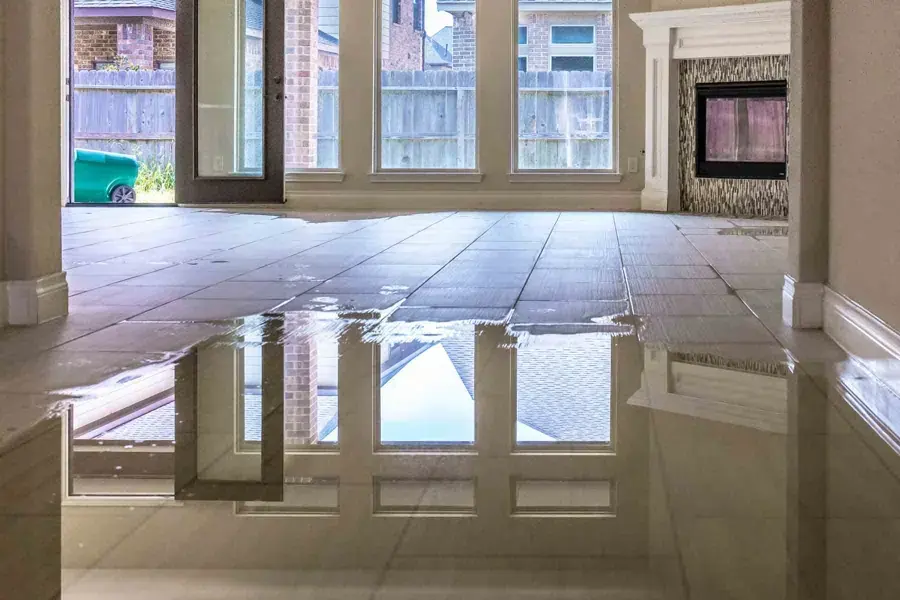
Tropical Storm Debby brought fast moving water 2 to 3 feet deep onto roads throughout Moncks Corner in August 2024. For owners whose homes and shops took on water, the question afterward was not whether the building was wet but how far the water had traveled inside.
Key takeaways
- The National Weather Service issued a flash flood emergency for Moncks Corner and Summerville on August 9, 2024.
- Water 2 to 3 feet deep covered roads throughout the town, and evacuations and swift water rescues followed.
- Debby's rain forecast rose from 2 to 5 inches to 4 to 9 inches, and 9 to 17 inches fell in places across the tri county area over four days.
- Water from outside is storm flood water, and porous materials it soaked are usually removed rather than dried.
- Wet framing, drywall and flooring need controlled drying with readings, not guesswork.
The night the water rose and how the forecast changed
Debby's winds tore apart businesses in Moncks Corner on August 6, 2024. Three days later, rain turned to flooding.
The National Weather Service issued a flash flood emergency for Moncks Corner and Summerville on August 9, 2024. Evacuations began in Moncks Corner overnight, with swift water rescues as the water rose swiftly.
NWS Charleston reported fast moving water 2 to 3 feet deep covering roads throughout Moncks Corner.
- Evacuees sheltered at Berkeley Middle School.
- Jedburg Road took on floodwater during Debby.
- The Moncks Corner Rural Fire Department covers the area.
How the forecast changed
The forecast shifted as the storm stalled. The National Weather Service raised its rain forecast from 2 to 5 inches to 4 to 9 inches, and 9 to 17 inches fell in places across the tri county area over four days.
That kind of change is part of why owners could not count on a dry house. A storm that looks manageable at the start can end with water at the front door.
What rising water does inside a building
Flood water does not enter a building evenly. It finds thresholds, garage doors, floor drains and gaps around plumbing, then spreads outward and upward.
The water that reaches a floor is the visible part. Behind baseboards and inside wall cavities, drywall and insulation draw water higher than the mark on the floor.
In a home
Carpet and pad soak first, then the bottom of the drywall. Cabinets trap water behind their toe kicks, and wood flooring may swell or cup as it absorbs moisture.
In a shop or office
Commercial spaces often have longer runs of wall, shelving on the floor and stock on low racks. A water loss there stops business, so planning and phasing matter.
- Move stock and records upward before extraction begins.
- Photograph every damaged item before it is set aside.
- Check electrical equipment and counters before use.
- Keep customers and staff out of wet areas until they are cleared.
Extraction and removal
Extraction comes first. Truck mounted and portable units pull standing water, and the team keeps working until the floor is clear.
After the bulk of the water is gone, the crew removes materials that cannot be saved: pad, insulation, the lower portion of drywall and anything soaked beyond repair.
- Wet drywall is cut at a height above the highest reading.
- Baseboards are removed so walls can breathe.
- Wet pad and carpet are taken out, then hauled away.
- Remaining hard surfaces are cleaned before drying equipment goes in.
Drying and monitoring
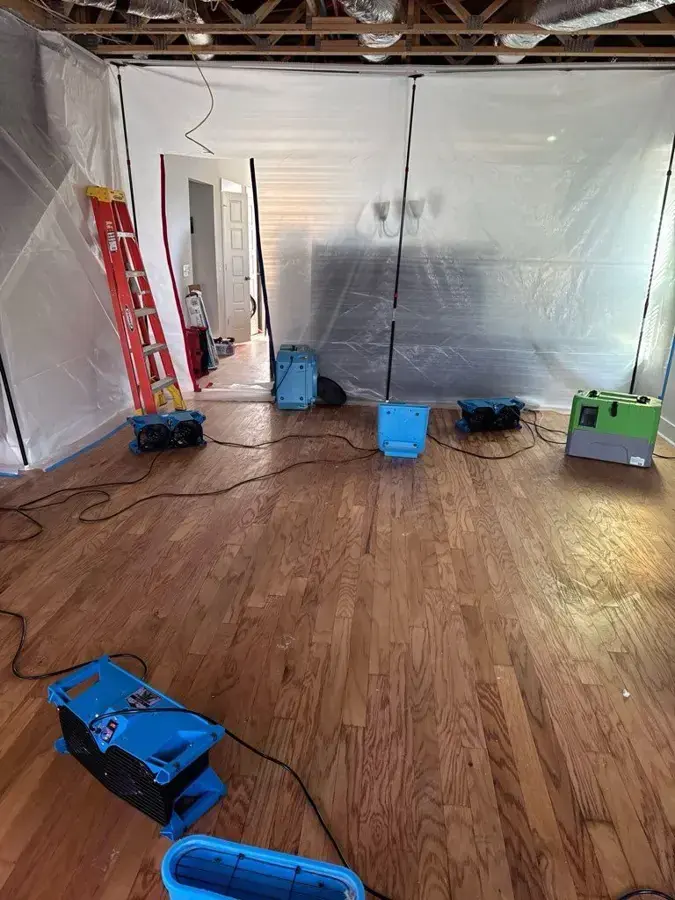
Once the structure is stripped of what cannot dry, the rest is brought down to a measured target. Air movers, dehumidifiers and heaters work together, and moisture readings set the schedule.
Moncks Corner sits in the Lowcountry, so humid air slows the process. The crew checks readings at each visit and adjusts the equipment until the walls, floors and framing reach the dry standard.
Why a second look matters
Water that has sat in wall cavities can hide for days. A follow up visit with a moisture meter finds wet spots the first pass missed.
A first day plan and the claim record
A short plan keeps the first day from turning chaotic. The order below is what most restoration teams follow when water has entered a Moncks Corner building.
Stay safe
Never walk through moving water, and keep the power off to wet areas. Fast water on a road can hide washed out pavement, so wait until it is clearly safe to travel.
Record the loss
Photograph the high water mark on the walls and every damaged item. A note of the date, the time the water arrived and how deep it got adds to the record.
Call for extraction
Standing water is the first priority, and the sooner pumps run, the less water climbs into walls and cabinets. A crew can plan the visit and the equipment while the owner gathers records.
Keep contents safe
Move dry belongings to higher shelves or another room, and set wet items aside for the insurer to see.
What helps an insurance claim
A claim for flood damage goes more smoothly when the paperwork starts early. The records below are the ones adjusters ask for most often.
- Dated photographs of the high water mark and each damaged room.
- A list of damaged items and their approximate value.
- Moisture readings from the first visit and each return visit.
- Receipts for emergency work, including extraction and drying.
- A written scope that explains what was removed and why.
Commercial properties and storm water
Moncks Corner is the county seat of Berkeley County, and its commercial setting includes the Berkeley County School District central office, county government offices and Santee Cooper's corporate office complex. Hidden Cove Marina sits on the Tailrace Canal.
Businesses and public buildings face the same storm risk as homes, with added pressure to reopen. A restoration plan that sets priorities by room, and logs readings for each one, gives the owner a clear path back to normal.
Where to start
The storm water damage page for Moncks Corner explains how outside water is handled in town, and the Moncks Corner commercial water damage page covers shops and offices.
For the wider picture, the storm water damage service in Goose Creek and the water extraction service describe the same steps, and the Moncks Corner hub lists the other water problems the town sees.
Questions
What did the National Weather Service say about Moncks Corner on August 9, 2024?
It issued a flash flood emergency for Moncks Corner and Summerville, and reported fast moving water 2 to 3 feet deep on roads throughout Moncks Corner.
How much rain fell during Debby?
The rain forecast rose from 2 to 5 inches to 4 to 9 inches, and 9 to 17 inches fell in places across the tri county area over four days.
Is flood water removed or dried?
Both. Standing water is extracted, porous materials are usually removed, and the remaining structure is dried to a measured target.
Why can walls stay wet after the floor looks dry?
Drywall and insulation draw water upward, and wall cavities trap it. Moisture readings show what the eye cannot.
Do shops and offices follow a different process?
The steps are the same, but the order is staged by room and by business needs, with records and stock moved first.