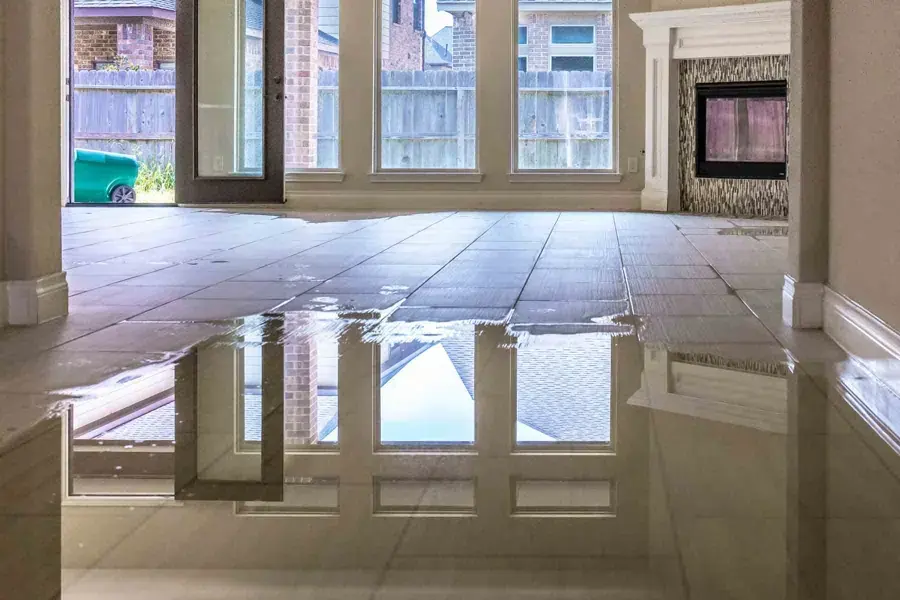
Tropical Storm Debby sent fast moving water across Moncks Corner roads in August 2024. Crews pump floodwater and wind driven rain out, remove what it contaminated and dry the structure to measured targets.
Category 3 water protocol High-volume pumping Flood cuts and drying
Right now
First steps for hurricane and storm water damage in Moncks Corner
1
Stay out of floodwater
Moving storm water hides debris, sharp objects and sewage, so keep everyone out of it.
2
Kill power safely
Switch off breakers for wet rooms only from a dry spot, otherwise leave the panel alone.
3
Mark the water level
Photograph the water mark on walls and furniture before anything moves, for the adjuster.
4
Lift dry belongings
Lift papers, electronics and small valuables to a dry room and leave soaked furniture alone.
Hurricane and Storm Water Damage: the trade facts
Water typeCategory 3 outside floodwater
Main workPump out, flood cut, disinfect, dry
Drying timeSeveral days, set by readings
PaperworkPhotos, readings and equipment logs
Storm water damage in Moncks Corner usually means outside water, not a plumbing failure. When Debby arrived in August 2024, NWS Charleston reported fast moving water 2 to 3 feet deep covering roads across town, and floodwater like that carries soil, debris and sewage into whatever it enters. That makes it Category 3 water, so a crew treats the whole wet zone as contaminated until it has been cleaned and dried. Learn how emergency water extraction starts the job.
What a storm cleanup crew does
Pumps and truck-mounted extractors pull standing water off floors and out of carpet before any other work starts, because longer contact lets moisture wick upward into walls.
Flood cuts remove drywall and insulation that wicked floodwater, usually a short distance above the visible water mark, so clean framing is left to dry.
Soaked carpet, pad and other porous finishes are bagged and hauled out, since contaminated material cannot be cleaned well enough to keep.
Remaining surfaces get cleaned and treated with an EPA-registered antimicrobial before dehumidifiers and air movers start the structural dry-out.
Typical cost ranges
What does hurricane and storm water damage cost in Moncks Corner, SC?
Storm water jobs in Moncks Corner generally cost $3,500 to $32,000. Water depth, room count, the amount of flooring and drywall removed and the length of time materials stayed wet decide where a job lands in that span.
One room, shallow water
$3,500 to $8,500
Pumping and flood cut
Pad and carpet hauled out
Disinfecting and drying
Several rooms
$8,000 to $18,000
Flooring removed room by room
Wet insulation pulled from walls
Containment and HEPA air
Whole floor flooded
$16,000 to $32,000
Contents moved out of the house
Broad removal and cleaning
Extended structural drying
Ranges are typical figures, not a quote. The category of water, the square footage, the material class and how fast drying started move the number most. The water damage cost calculator gives a closer range.
Step by step
How hurricane and storm water damage is handled in Moncks Corner
The tech who does the walkthrough finds the source and maps the moisture before equipment goes down, and the drying team keeps it running until the readings say dry.
1
Pump
Pumps and extractors clear standing water from floors, carpet and low spots.
2
Cut
Crews flood cut drywall and strip any flooring the water reached.
3
Clean
Surfaces are scrubbed and treated with an antimicrobial before drying begins.
4
Dry
Dehumidifiers and air movers run while daily readings track the drop.
01
Why wind driven rain also matters here
Debby's winds tore at Moncks Corner businesses on August 6, 2024, and the flash flood emergency followed on August 9. Wind driven rain can enter through damaged roofing and windows, so a storm loss often has water above the ceiling as well as on the floor. The storm roof leak page covers the upper half of that damage.
02
How insurance usually treats storm loss
Flood and wind claims are often handled under different policy sections, so the cause of the water matters to the adjuster. Photos of the water mark, dated moisture logs and a scope listing every removed material give the carrier what it needs. Owners should read the declarations page before work begins and ask the agent which coverage applies. For Moncks Corner owners, that call is worth making early.
03
Drying after floodwater
Structural drying starts once the contaminated material is gone. Technicians map moisture, set air movers and LGR dehumidifiers by room size, and return daily to record readings. Equipment stays until studs, subfloor and remaining drywall read dry, which is why the job runs on data and not on a fixed number of days. See structural drying and dehumidification for the full method.
Moncks Corner, SC service area
Service area
Hurricane and storm water damage across Moncks Corner and nearby towns
Storm water calls cover ZIP 29461 and Moncks Corner neighborhoods such as Foxbank Plantation, High Point at Foxbank, Carolina Groves, Cypress Preserve and Perry Hill, along US 52 and SC 6.
Hurricane and Storm Water Damage questions in Moncks Corner, SC
Is storm flood water safe to touch?
No. It can carry sewage, chemicals and debris, so crews wear protective gear and homeowners should stay out until it has been removed and surfaces are treated.
Does insurance cover flooding from a tropical storm?
Standard homeowner policies often exclude rising floodwater and cover wind driven rain, while flood policies cover the reverse. The policy and the cause of the water decide, so check both with the agent.
Can carpet be saved after storm flooding?
Rarely. Outside floodwater is contaminated, so carpet and pad are normally removed even when they dry, while tile, sealed hardwood and some solid surfaces can often be cleaned and kept.
What should be done with wet drywall?
Drywall touched by floodwater is cut out above the wet area so the framing behind it can be cleaned and dried. Leaving it in place traps contamination and slows drying.
How soon should drying equipment start?
As early as the building is safe to enter. Every day of wet framing raises the amount of material that cannot be saved, so crews set equipment right after pumping and removal.
Who documents storm damage for the carrier?
The restoration crew photographs each room, logs moisture readings and lists removed materials, giving the adjuster a record of the loss that does not rely on memory.