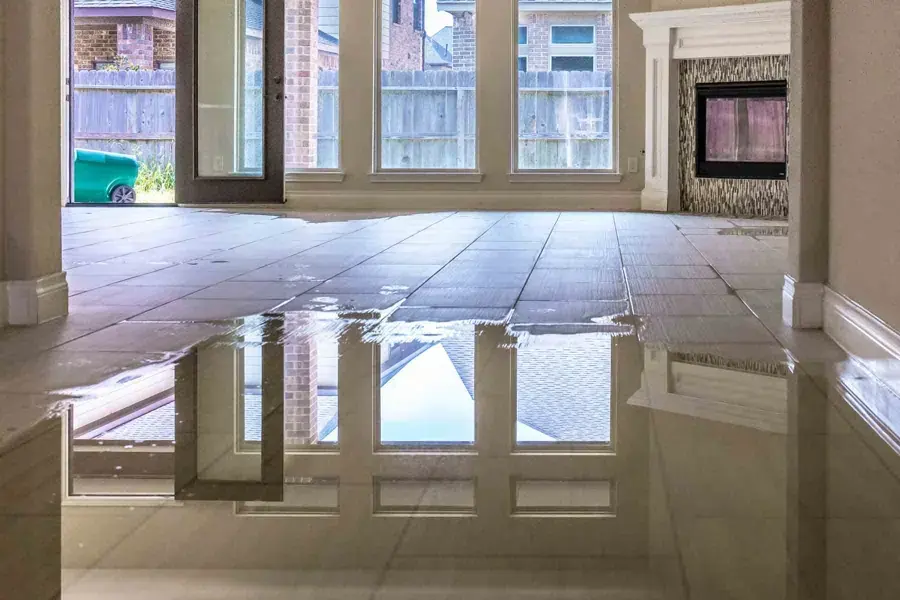
On August 9, 2024, rain from Tropical Storm Debby closed every major road west of Summerville. For homeowners whose houses took on water, the road closures were only the first problem, and the drying that followed was the second.
Key takeaways
- Debby rain on August 9, 2024 closed Wire Road, US Highway 78 and I-26 eastbound west of Summerville.
- More than 75 Dorchester County roads were partly or fully closed, and Wire Road at Zion Road and part of Powder Horn Road washed out.
- Wet framing, drywall and flooring need monitored drying rather than open windows.
- Water from outside is storm flood water, and porous materials it soaked are normally removed.
- The October 2015 flood set the earlier benchmark, with 15 to 20 inches of rain widely across the tri county area.
What Debby did and the earlier October 2015 flood
The rain from Tropical Storm Debby closed all major roads west of Summerville on August 9, 2024, including Wire Road, US Highway 78 and I-26 eastbound.
More than 75 Dorchester County roads were partly or fully closed, Wire Road at Zion Road and part of Powder Horn Road washed out, and Dorchester County water rescue teams responded to rescues.
Four Hole Swamp lies west of town, and roads across it flood and close in major rain. That is a pattern owners can plan for.
Why the October 2015 flood still matters
Historic flooding from October 1 to 5, 2015 brought widespread rain of 15 to 20 inches, with localized totals over 25 inches, mainly in the Charleston tri county area.
Debby arrived nine years later, and the two events together show that the area can take a lot of rain more than once. A house that flooded in one storm can flood in the next.
The cleanup, step by step
A storm water cleanup follows a repeatable order. The steps do not change with the storm, but the details do.
Water out
Standing water comes out first with pumps and extraction tools. Every extra stretch of time with water on the floor lets it climb into drywall and cabinets.
Materials sorted
The team separates what can dry from what cannot. Soaked insulation and carpet pad are removed.
Framing, tile and sealed concrete are cleaned and dried.
- Wet insulation holds water against framing, so it comes out.
- Lower drywall is cut above the wet edge when readings show it is saturated.
- Cabinets and toe kicks are checked for trapped water.
Drying to a target
Air movers and dehumidifiers run on a schedule, and moisture readings are logged on each visit. The equipment leaves when the readings reach the dry target.
Why drying takes time in the Lowcountry
Lowcountry humidity slows drying, so wet walls and floors need monitored equipment rather than open windows. A fan in a window may feel helpful, but it often pulls in more humid air.
Dehumidifiers pull moisture out of the air, and air movers push dry air across wet surfaces. Together they bring materials down to a measured level.
- Keep the doors and windows closed while the equipment runs.
- Do not turn the thermostat up in an attempt to speed things.
- Leave the equipment on, because stopping early can leave moisture in walls.
- Ask for the readings, which show whether the structure is actually dry.
What a second visit adds
Drying is not finished the day equipment is placed. A second visit checks that the readings are falling, moves equipment to wetter spots and decides whether any wall needs to be opened.
If a material is not drying as expected, the team can remove it before it starts to break down. That is far cheaper than waiting and finding out later.
Checking the house and reaching it
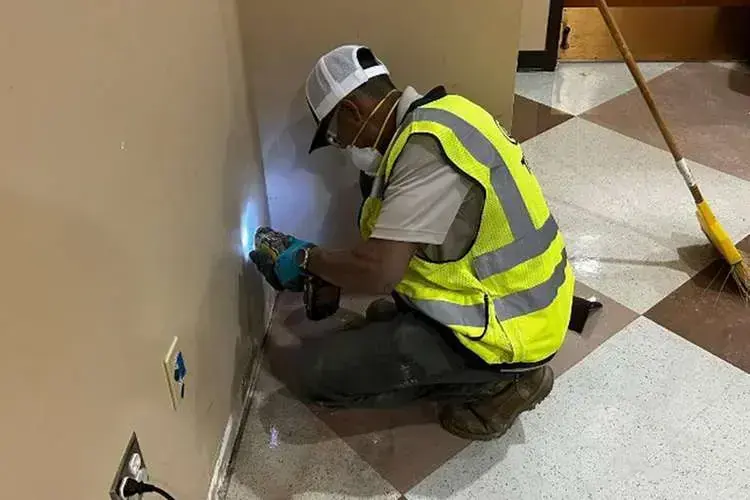
Once road access returns, a careful walk through every room shows what the first look missed. Water travels, and a dry looking floor can sit above a wet cavity.
The checklist below is what a restoration team typically works through when a Summerville house has taken on storm water.
- Baseboards and the bottom of drywall, where wicking leaves a faint stain above the high water mark.
- Cabinet bases and toe kicks, which trap water behind a dry front.
- Closets and utility rooms, where a low floor collects water that other rooms shed.
- Garage walls and the door between the garage and the house.
- Attached porches and entries, where water crosses a threshold first.
When the street itself is still under water
Some Summerville owners could not reach a flooded house at all while roads stayed closed. That delay is hard, and it is worth planning around.
A call to a restoration team can still start the paperwork, set a plan for the first visit and arrange the equipment so work begins the moment the road opens. In the meantime, a neighbor or relative who can safely look at the house may be able to send photographs.
Never enter a flooded road to check on a house. Water over a road can hide a washout, and the damage to the building will still be there when the road clears.
Contents and the claim record
Belongings that touched flood water need a decision. Hard items such as plastic storage and tools can be cleaned.
Soft items such as mattresses, upholstered furniture and rugs are harder to save once they have soaked.
Photograph everything before it moves, and keep a list of what was damaged. The cleanup crew can set aside items for the insurer to see, so nothing is thrown away too soon.
Papers and photographs
Documents that got wet can be dried flat and kept, and a copy of the important ones should be stored away from the house afterward.
Electronics and appliances
Anything plugged in that sat in the water should stay off until it has been checked. Salt and silt can damage them even after they dry.
Documenting the loss
Photographs and readings carry weight in a claim, because they show how far the water reached.
Take pictures of the high water mark, of damaged contents and of the equipment placed in each room, and keep a short note of the dates. The cleanup crew's moisture log adds the technical record.
Where to look next
The Summerville storm water damage page explains outside water in town, and the Summerville structural drying page covers the drying stage in detail.
For the wider picture in Berkeley County, the storm water damage page for Goose Creek describes the same process, and the Summerville hub lists the other water problems the town sees.
Questions
Which roads closed in Summerville during Debby?
All major roads west of Summerville closed on August 9, 2024, including Wire Road, US Highway 78 and I-26 eastbound.
Why does storm water have to be removed instead of just dried?
Water from outside is contaminated, so porous materials that absorbed it, such as pad and insulation, are normally removed.
How long does drying take?
It depends on the materials and the humidity. Readings, not a calendar, decide when the structure is dry.
Do open windows help?
Usually not. Lowcountry humidity can bring more moisture into the house.
How much rain fell in October 2015?
Widespread rain of 15 to 20 inches, with localized totals over 25 inches, mainly in the Charleston tri county area.