What happens to the pad and floor
Carpet often stays if the water is clean and caught early, while the pad underneath is usually removed. Hardwood gets drying mats, and tile or concrete floors dry quickly once the surface water is gone.
Standing water wicks into drywall, pad and hardwood the longer it sits. Summerville crews pull it out with truck-mounted and portable extractors, then check the floors and walls before drying starts.
(888) 532-8921Call for Summerville extraction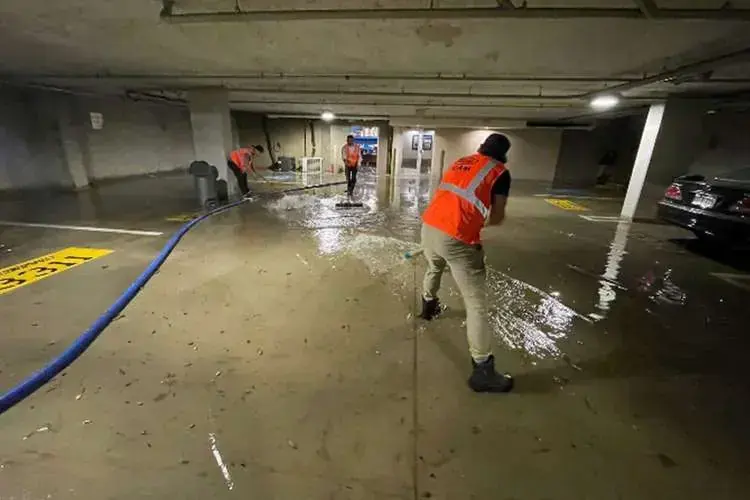
Stop the leak or close the supply valve if the water is coming from plumbing.
Household vacuums are not made for standing water, and using one near outlets risks shock.
Raise furniture legs onto blocks and lift rugs and electronics out of the water.
Dispatch sends pumps and extractors sized to the volume of water.
Emergency Water Extraction: the trade facts
Extraction is the first real move after a flood or a big leak, and the August 2024 Tropical Storm Debby event around Four Hole Swamp is a reminder of why. Standing water should come out quickly before it wicks into drywall and flooring, because every hour of pooling spreads the damage into materials that could have been saved.
Extraction by itself usually costs $600 to $4,500. One room sits at the bottom, several rooms land in the middle and a whole floor or a flooded crawl space reaches the top of the range.
$600 to $1,500
$1,400 to $3,000
$2,800 to $4,500
Ranges are typical figures, not a quote. The category of water, the square footage, the material class and how fast drying started move the number most. The water damage cost calculator gives a closer range.
The tech who does the walkthrough finds the source and maps the moisture before equipment goes down, and the drying team keeps it running until the readings say dry.
The crew checks the water category and depth before choosing pumps and extractors.
Submersible pumps clear deep water, and extractors take over once the floor is visible.
Wand tools pull water out of carpet, pad and hardwood until the flow slows.
Moisture readings show what stayed behind and set the plan for drying.
Carpet often stays if the water is clean and caught early, while the pad underneath is usually removed. Hardwood gets drying mats, and tile or concrete floors dry quickly once the surface water is gone.
Water from a toilet, a drain or the outdoors changes the job, since extraction alone does not make it safe. Those losses follow the sewage backup cleanup or storm water damage process with protective gear.
Once the bulk water is gone, structural drying sets air movers and dehumidifiers and tracks readings. The Summerville hub links to every other service. Skipping drying leaves walls wet.
Extraction crews work in ZIP codes 29483, 29485 and 29486, from Pine Hill Business Park, Hutchinson Square and Ashley River Road to Parker's Preserve, Homecoming and Heron's Walk.
The same service nearby: emergency water extraction in Goose Creek, North Charleston, Hanahan.
Water damage restoration in Summerville · every town covered
As fast as safely possible, because water keeps moving into drywall, pad and wood the longer it pools.
No. Extraction removes bulk water, while drying lowers moisture left in framing, subfloors and flooring afterward.
Often, when the water was clean and caught quickly. The pad is usually pulled, and carpet is lifted so the floor can dry.
No. It uses wand tools that skim the surface, and hardwood gets mats designed to draw water up through the boards.
Extraction still comes first, but protective gear and containment apply, and porous materials are removed rather than cleaned.
Yes, with added steps. Storm water is contaminated, so disinfecting and removal of soaked materials follow the pumping.
Standing water in the house? Call for pumping.
Water left standing keeps climbing into drywall and wood. The crew brings pumps and extractors sized to the volume and logs what stays wet.